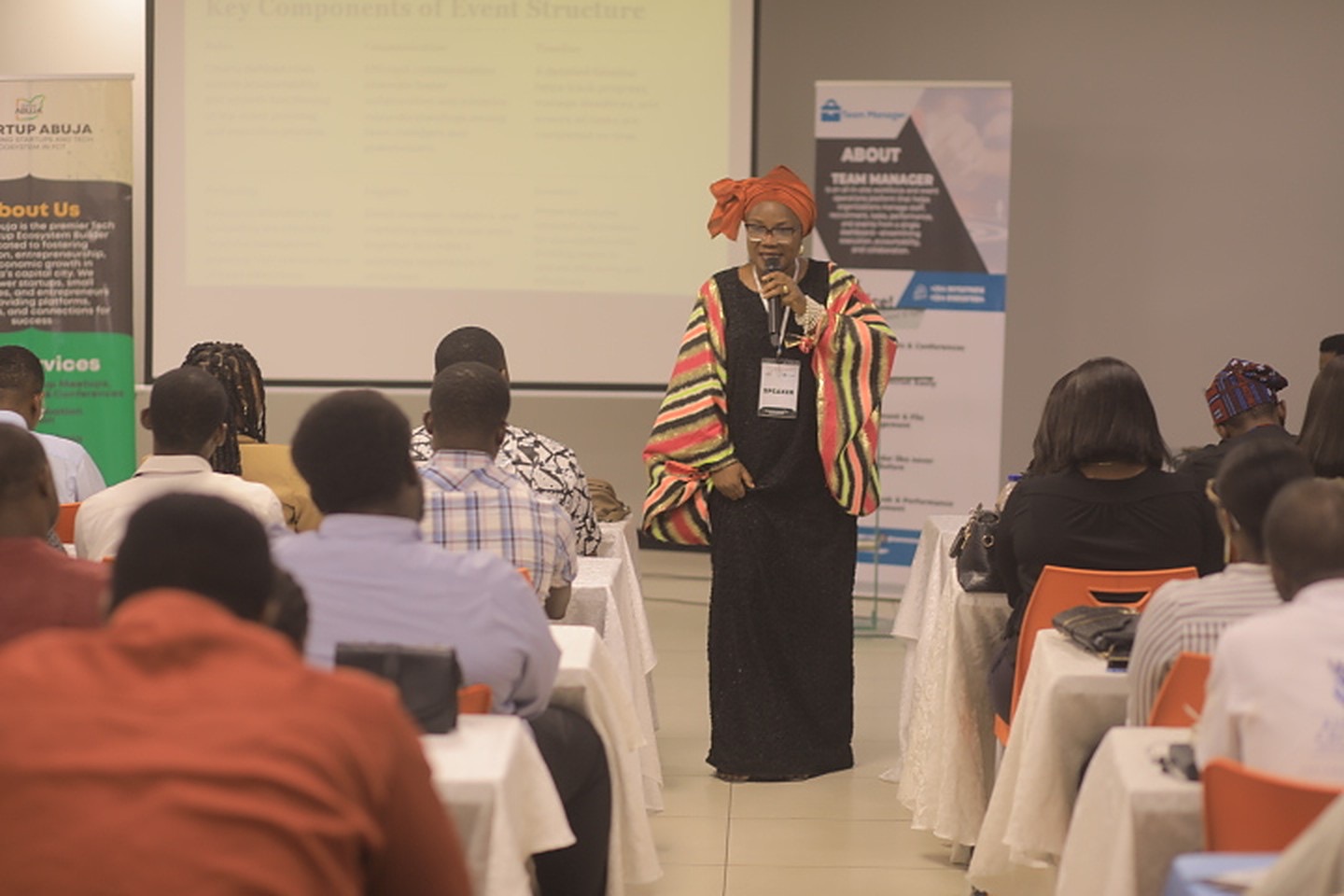
Ask most organisations that help startups who their customer is, and the answer is the startup. Here it is not.
What they do
Startup Abuja, formally the Startup Abuja Empowerment Initiative, is a social enterprise in Abuja, Nigeria, and describes itself as an accelerator and social enterprise platform for founders, innovators and small businesses. It mentors founders, trains people who are thinking about becoming founders, and walks companies through the unglamorous early work: business registration, legal and compliance, finding a co-founder, then product market fit and going to market. Once a company is past that, the conversation turns to scaling and to selling outside Nigeria.
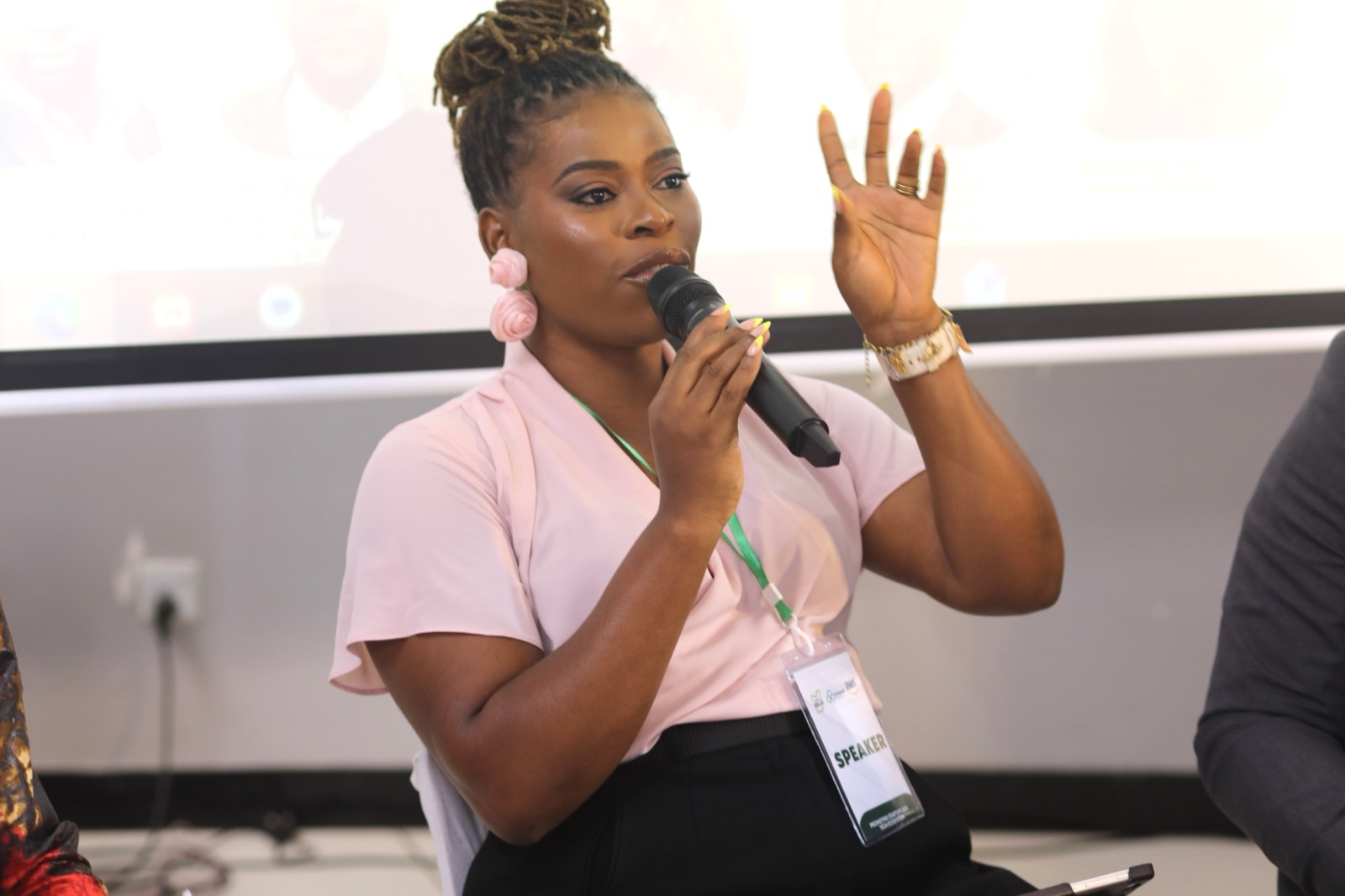
Its programmes run from a single day to six months. The Startup Innovation Challenge is a six month programme, and the best performers keep getting support after it ends. There is also an Agentic AI Challenge aimed specifically at founders building agents. The organisation runs the Startup Abuja Conference, a separate AI conference and an AI round table. Fifteen to twenty people run all of it.
It began as something much smaller. Its founder, Chigozie Ezugwu, now its managing director and chief executive, studied in Japan and used to go to startup meetups in Sapporo, at the university and around the city. Returning to Nigeria, he found there were not many. So Startup Abuja started as a meetup, for anyone interested in startups and technology to turn up and meet each other. It became clear fairly quickly that meeting was not enough on its own, and the structures and programmes were built around it. That was five or six years ago.
The companies it has worked with include Momma in food, logistics and delivery, One Click Med, Transave, Team Manager, Xeera and Xeema. Xeela AI is the one Ezugwu points to first: an AI product the organisation has worked with since the very beginning, which now has subscribers in Nigeria, elsewhere in Africa and in North America.
On scale, the organisation is unusually careful about its own numbers, which is worth saying because it is rare. Its database puts its cumulative reach, across programmes, events, digital platforms and outreach, at more than a million people, and the wider community of startups, founders and small businesses it has reached or connected with at between 5,000 and 10,000. It is explicit that these are reach figures, not a count of people who have been through a formal programme.
Helping founders is a crowded field worldwide, and the well known names all charge somebody. Techstars and Antler take equity. Endeavor and Village Capital work on philanthropic and institutional money. Seedstars and Flat6Labs run programmes across emerging markets. In Nigeria specifically, Co-creation Hub is the best known ecosystem builder and Ventures Platform is among the most active early investors, while MEST Africa trains and funds across the continent and GITEX Nigeria now brings the whole ecosystem into one room. What almost none of them do is hand the entire programme over for nothing and find the money somewhere else.
The point: the free half is what makes the paid half saleable
Startup Abuja does not charge its startups. Not a fee, not equity as a condition of entry, nothing.
The money arrives from two other places. It makes very small investments in the few companies it has a direct interest in, which is not the priority and not most of them. And it is paid to advise foreign organisations that want to understand the Nigerian ecosystem well enough to enter it.
Read those two sentences together and the structure appears.
You cannot sell somebody a reliable account of a startup ecosystem unless you are actually inside it, at scale, all the time. The free mentorship is not charity sitting beside the business. It is the thing that makes the business worth buying.
So the startups are not the customer. They are the asset. Every founder who comes through a programme adds to a picture of the ecosystem that nobody sitting in London or Seoul can assemble on their own, and that picture is what the paying side is actually purchasing.
The clearest example is a piece of work for the embassy of a European country, which the organisation is happy to describe but not to name. The embassy wanted to understand Nigeria's investment landscape: which sectors carry real potential, with agriculture and agribusiness, healthcare, education and technology at the top of the list, and why economic activity concentrates so heavily in a few places, why Abuja and Lagos dominate, and why so many companies choose to headquarter in the Federal Capital Territory. Those are not questions a desk researcher abroad can answer well. They are questions you answer by having spent years in the rooms.
It also explains something that looks odd from outside. Six months is a long programme by North American standards, where a few weeks is normal. But look at where it starts: registering the company, legal and compliance, finding a co-founder. That is work which happens before a Western accelerator would let you through the door. A shorter programme would assume infrastructure that is not there, and it would also see less.
A door that swings both ways
The other thing worth noticing is that they face in two directions at once.
Outward, they help Nigerian companies reach markets abroad. Companies they have mentored, Xeela AI among them, have gone on to be trained through programmes run with the Korea International Cooperation Agency, the Korean government's development agency, which is not a route most people would have predicted from Abuja.
Inward, they act as the first point of contact for foreign companies, investors and governments who want into Nigeria, or into Africa more broadly, and need somebody on the ground to find partners, talent or companies worth backing.
Both directions run on the same asset, which is knowing who is actually out there. That is the position, and it is a durable one, because it cannot be bought in a hurry by anyone arriving from outside.
Where else this works
This part is opinion rather than anything the organisation has said.
The pattern travels to anywhere two conditions hold at once: the people who need help have very little money, and somebody far away would pay a great deal to understand them properly. That describes a large share of the world's fastest growing markets.
Kenya, Vietnam, Indonesia, Egypt, Pakistan, Bangladesh, Ghana, Rwanda, Colombia, the Philippines, Uzbekistan. In every one of them the local founders cannot fund a programme, and in every one of them a foreign investor, a government trade body or a large company is trying to work out how to arrive and getting it wrong.
Build the free thing properly, at real scale, for long enough, and what you learn becomes the product.
Why it is bigger than it sounds
The short description is a mentoring organisation in Nigeria. The structure underneath it is the interesting half.
- Nobody local has to pay. That removes the constraint that limits almost every accelerator in an emerging market, where the founders who most need help can least afford it.
- The knowledge is the product. An embassy asking why business clusters in Abuja and Lagos is buying an understanding that only comes from being in the ecosystem constantly.
- The programme length is a feature. Six months looks indulgent until you see it begins at company registration, which is before a Western accelerator would start counting.
What to watch
The first date is Saturday 14 November 2026, when the Startup Abuja Conference takes place at Merit House in Maitama, Abuja. It is built around AI, talent and investment, and the finalists of the Startup Innovation Challenge pitch there, which makes it the clearest single look at what six months of this programme produces.
The longer measure is what share of revenue comes from advisory work against investment returns. Advisory is lumpy and depends on foreign interest that rises and falls. Investment returns arrive slowly and then compound. Which one wins decides what this organisation becomes.
The third is whether one of its companies, Xeela AI being the obvious candidate, reaches a size that everyone outside Nigeria hears about. One name travelling is worth more than any number of programmes.