Every hardware founder knows the fear. You send your design to a factory far away, and a few months later something very like it turns up for sale under another name. For a startup that has bet everything on one product, that is the end.
Yuro Technologies, in Metro Manila, has built its business on the opposite promise. Work with us, its founder says, and you will not see your design next month as someone else's product.
What they built
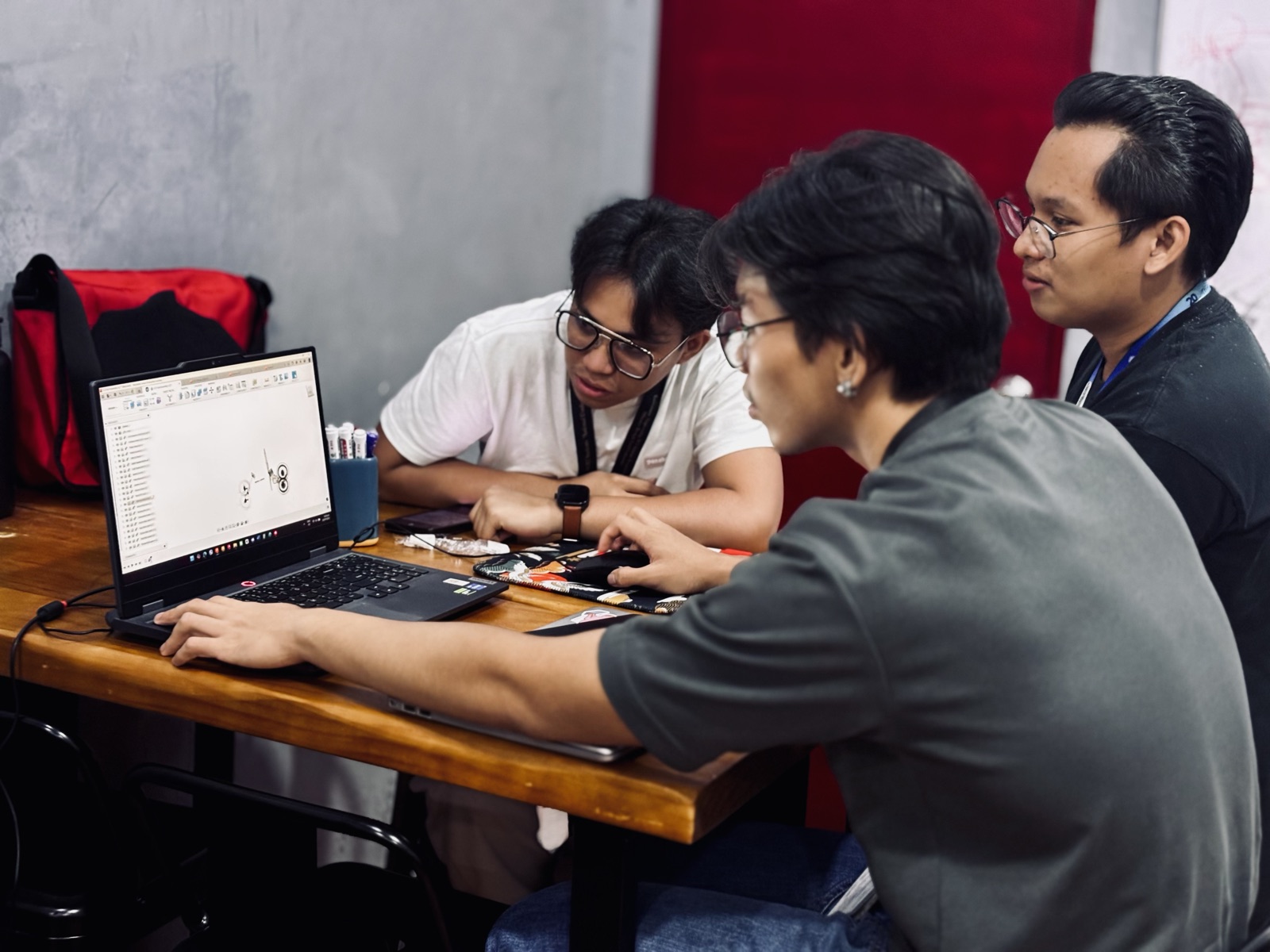
Yuro Technologies is a hardware company in San Juan City, part of Metro Manila in the Philippines. It started as a product development company: send it an idea, and it designs and prototypes the thing. It still does that. But its founder, Sung Hum Cho, describes what it has become in bigger terms: an enabler for hardware startups, researchers and students in the Philippines.
The company counts more than 500 designs created and more than 100 products prototyped, for clients in 21 countries. It has a rapid prototyping workshop where it builds real objects on site, and a network of Philippine manufacturers that can take a working prototype into mass production.
The work comes in all sizes. A small, intricate part can take a day. Other projects take a week, a month, or a year. Some of what has passed through the workshop:
- River turbines that make power from flowing water. With its partners, Yuro is planning to install hundreds of them across the Philippines.
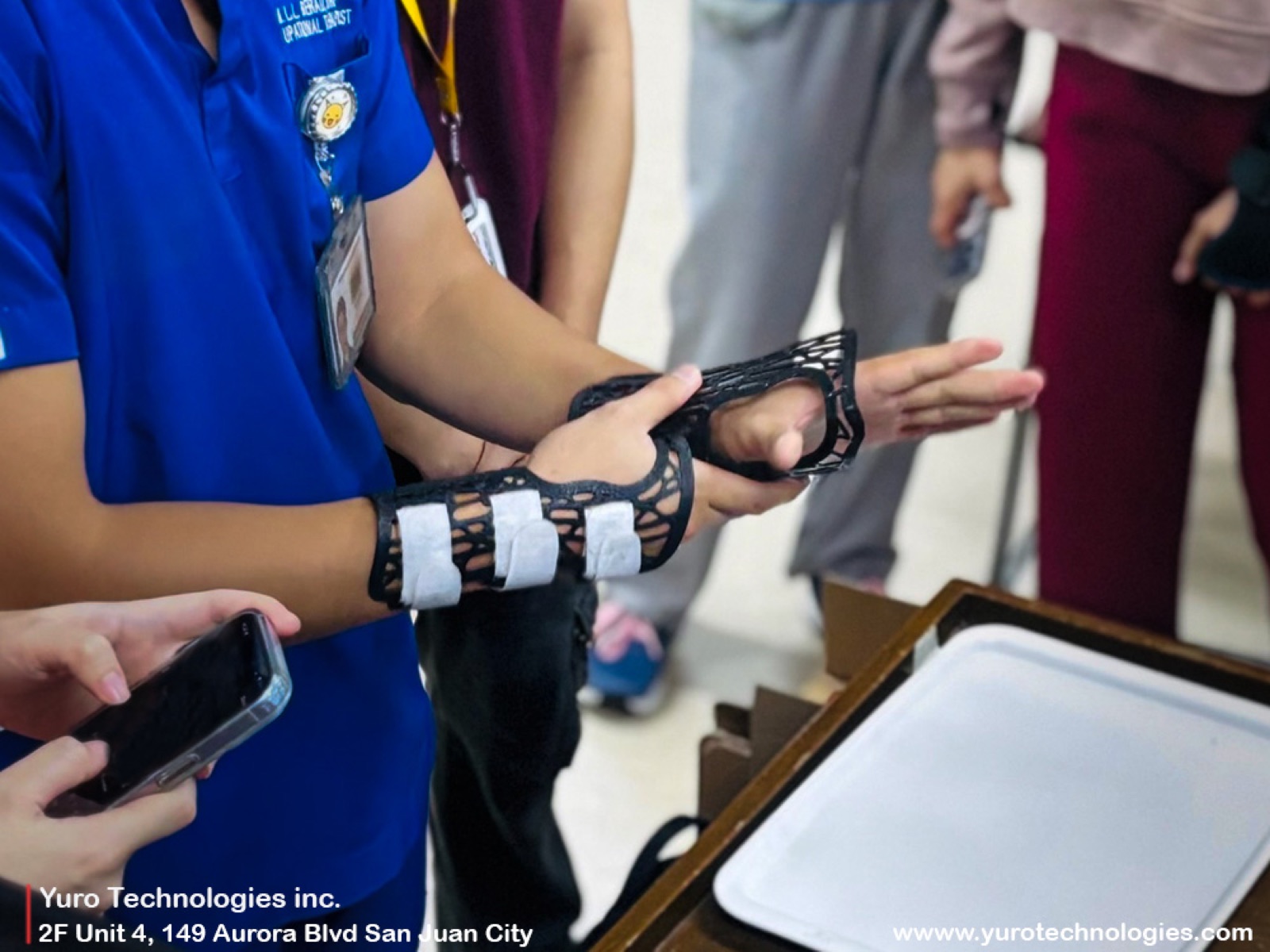
- Hospital devices, developed together with hospitals.
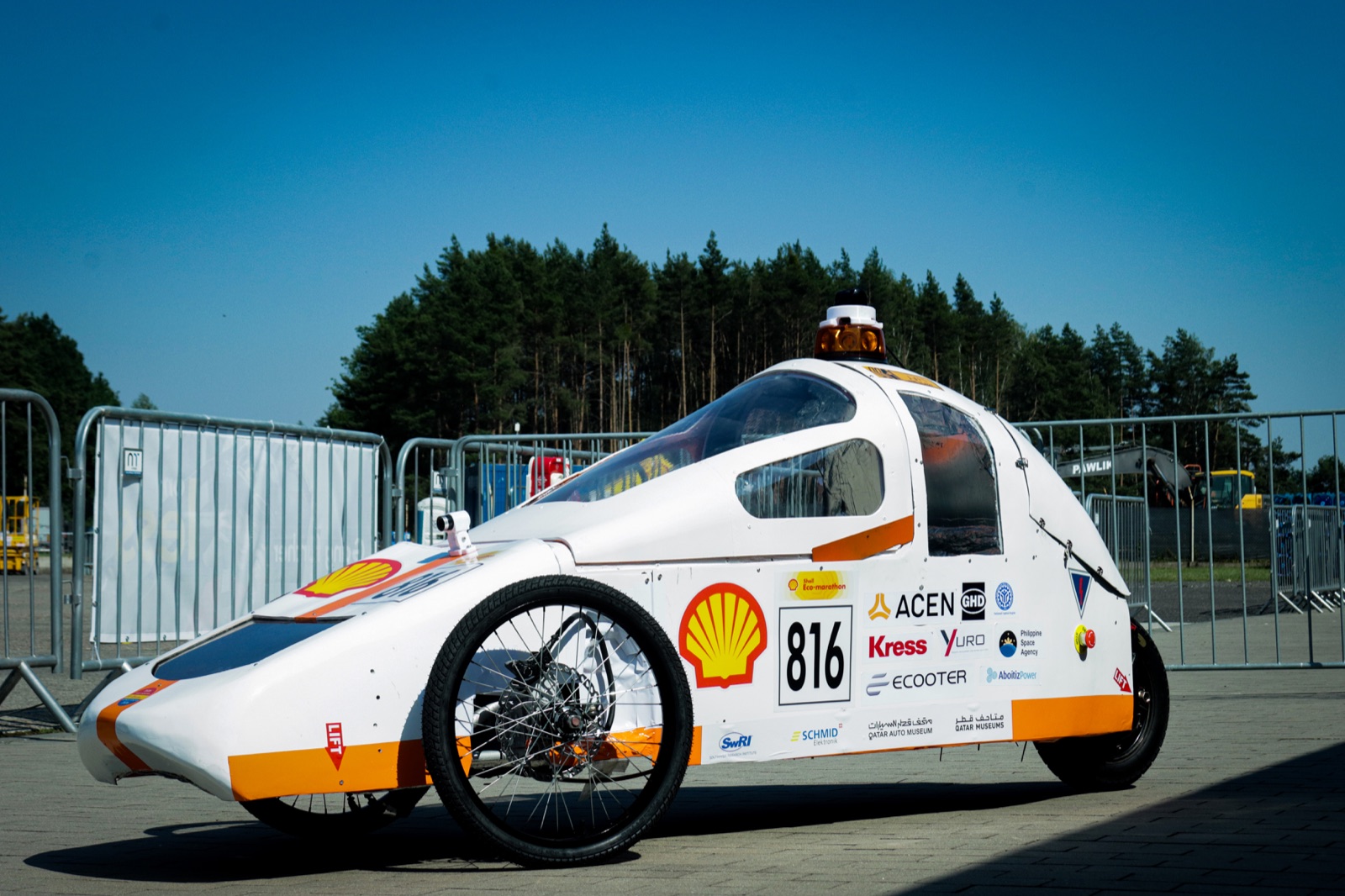
- Parts for an autonomous vehicle, the first from the Philippines to compete abroad, where it ranked eighth.
- A fighting robot for a founder from the United States. The design already existed. The founder flew to Manila in 2019 and stayed a month, working side by side with the team until the prototype was ready to show.
One startup Yuro worked with went on to win the highest national award in the Philippines.
Small runs before big orders
Yuro does not stop at the prototype. It also helps with what it calls pre-manufacturing. Most startups do not want to order thousands of pieces on day one, and they should not. So Yuro helps them make a small batch first, enough to prove that people will buy it, before they commit to full production. When they are ready to scale, it passes the job to manufacturers in its network.
Its customers have changed over the years. Around 2019 to 2022, about 90% of its work was international, much of it from crowdfunding founders. Today it is the other way round: roughly 70% local and 20 to 30% international, because so many new hardware companies are starting up in the Philippines.
Trust, price and people
We asked Mr. Cho the obvious question. Why should a North American company work with a team in Manila rather than go straight to China?
The answer started with an honest admission. China is more advanced in technology, Mr. Cho says, and if you need high-tech, ready-to-go manufacturing for a short-term need, China may be the better choice. What the Philippines can offer is trust. Your patent and your design stay yours. And Yuro wants to grow with the companies it serves, building the technology together.
Behind that sits a bigger idea. The Philippines gets along with almost everyone, Mr. Cho says. The country is not against China or the United States, and people of many faiths live side by side in one country. As trust between the big powers wears thin, Mr. Cho wants the Philippines to become the bridge that every country can connect through for technology.
Two more reasons follow. Development costs less. And the talent is battle-tested: Yuro hires many of its people from the student teams, research groups and startups it has supported through competitions, so they already know what a startup needs. The company has about ten staff and many student part-timers, with engineers in electronics, mechanical work and chemistry under one roof.
The world of hardware help is large. Fictiv, Xometry and Hubs route a designer's files to networks of machine shops. Protolabs makes parts fast in its own factories. In Shenzhen, Seeed Studio, PCBWay and JLCPCB turn out circuit boards for makers worldwide. They are fast and they are good. None of them trains the next generation of engineers in its own workshop, and none of them sells its location as the reason to trust it.
Built on $1,000 and no investors
Mr. Cho started Yuro in 2018, as a college student, with about $1,000. It has never had a single investor, and Mr. Cho is proud of that. The company earns from its prototyping workshop, from small production runs, and from the jobs it passes on to manufacturers.
The idea came from Mr. Cho's first startup, in electric mobility. Knocking on investors' doors, Mr. Cho kept hearing the same question: who is going to build it? So Mr. Cho built the company that had been missing. Today hardware founders show Yuro's name and track record to investors as proof that their product can actually be made. Some of them raise money that way, and part of that money comes back to Yuro as paid work. Mr. Cho calls it circular.
Yuro also gives back more than most companies its size. It teaches students basic electronics and 3D printing, donates machines, funds student teams so they can compete, and later hires some of them or helps them start companies of their own. Some of its former students now work in the United States.
What they are looking for
The ask is simple: help investors find Yuro. Mr. Cho is open to investment and ready to travel to North America to pitch. With funding, the plan is a large shared facility, ideally a hectare of land, where hardware startups, talent and machines sit together in one place.
Hardware founders in North America who need a prototype, a small first batch, or a manufacturing partner they can trust can reach the team through yurotechnologies.com, or find it on Fiverr.
Why it is bigger than it sounds
This breed of startup sells trust before it sells machines.
Mr. Cho says plainly that China is ahead on technology. Yuro's pitch is that your design will not turn up as someone else's product next month, development costs less, and it comes from a country that gets along with everyone.
The money side is smart too. Yuro has had no investors since 2018. It earns from prototyping, from small trial runs that let a startup prove people will buy before it orders thousands, and from passing work on to local factories. Then there is a loop: hardware founders show investors Yuro's name as proof their product can be built, they raise money, and part of that money comes back to Yuro as paid work.
The formula is easy to reuse. When big powers stop trusting each other, the neutral middle becomes the best place to build, and the first business worth starting there is not the factory. It is the company that makes local factories usable for outsiders. The same play fits Vietnam for electronics, Mexico for American companies moving production closer to home, Malaysia for chips, Morocco for car parts going to Europe, Poland for German industry and India for phones.
The risk in one line: trust takes years to prove, and the best talent tends to leave. If you are a hardware founder afraid of copies, build where nobody is taking sides.
What to watch
The first thing is the river turbines. Hundreds installed across the Philippines would show that Yuro can take a product all the way from workshop to the field at scale.
The second is the international share of its work. It fell as local demand grew. If North American founders start coming back for the trust argument, it will rise again.
The third is the shared facility. A hectare of hardware startups in one place would turn a ten-person company into the centre of a whole ecosystem.