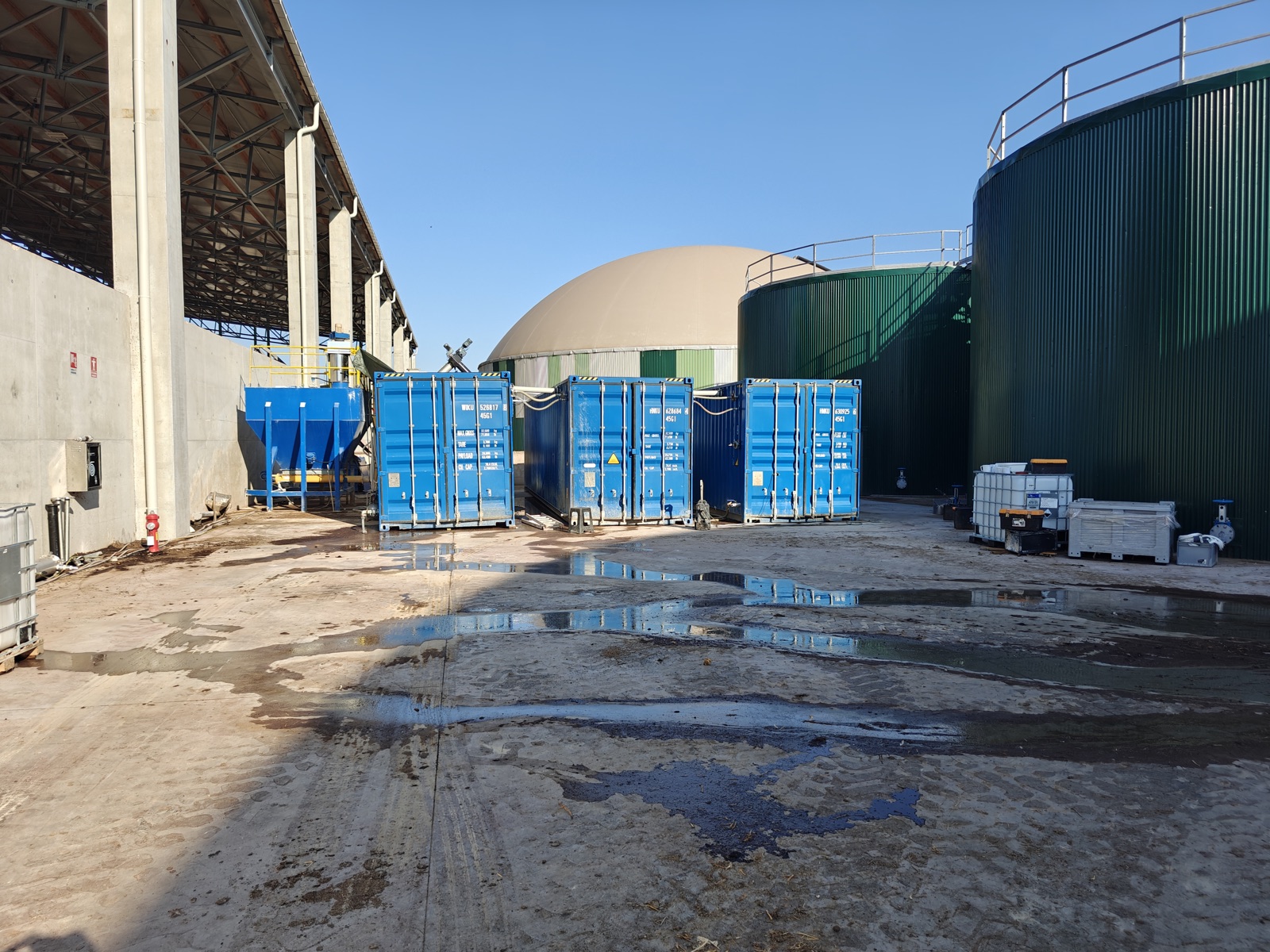
A biogas plant in Europe turns farm and food waste into energy, and is left with a lot of liquid at the end. That liquid is full of nitrogen, the same nitrogen farmers buy as fertilizer. But the plant cannot just spread it on nearby fields, because the law limits how much it can put on any field. So it pays to have the liquid treated, or pays to truck it far away.
Juho Uzkurt Kaljunen thinks that is money being thrown away twice. Instead, NPHarvest pulls the nitrogen out and turns it into an input for fertilizer.
What they do
NPHarvest is a Finnish company, spun out of Aalto University near Helsinki, that recovers nitrogen and phosphorus from nutrient-rich wastewater. Its machine, the Nutrient Catcher, is built into shipping containers as a demonstration unit. It turns the nitrogen into a pure ammonium salt, and the phosphorus into calcium phosphate, and both are raw materials for fertilizer. The company says it can recover up to 90% of the nitrogen.
Juho is chief executive and chief technology officer. The other co-founders, Federico Varalta and Burak Yirmibesoglu, run business operations and business development.
Its customers are biogas plants first, and also city wastewater plants, animal farms and factories with nutrient-rich waste. Juho says NPHarvest sits between two industries: farming technology on one side, and the pipes and plants that treat water on the other.
Room temperature
The old way to pull nitrogen out of wastewater is a machine called a stripper scrubber. It works by heating the water, and heat costs money, especially at plants that have none to spare. It also struggles with the thick, dirty liquid that biogas plants produce.
NPHarvest's process runs at room temperature. It raises the pH of the water, so the nitrogen becomes ammonia gas, and the gas passes through a special membrane into an acid on the other side, where it becomes a salt. No heating, no pressure and no blowing air through the water. The membranes strip the ammonia rather than filter the water, so they do not clog, and the company says the process handles wastewater with high solids, which many other recovery systems cannot.
In Juho's words, NPHarvest can treat these wastewaters for less than conventional treatment costs. That is the whole pitch: the plant gets rid of its problem for less, and the nitrogen is no longer wasted.
From the lab to the client
NPHarvest began as Juho's master's thesis, and then a doctorate. Most academic work stays at lab scale, Juho says, but the team "got really tired" of bringing wastewater into the lab, so it took the equipment to where the wastewater was made. That put them in front of the people who had the problem, and the feedback was very good. By the time Juho defended the thesis, the technology had outgrown the university, and starting a company was the logical next step.
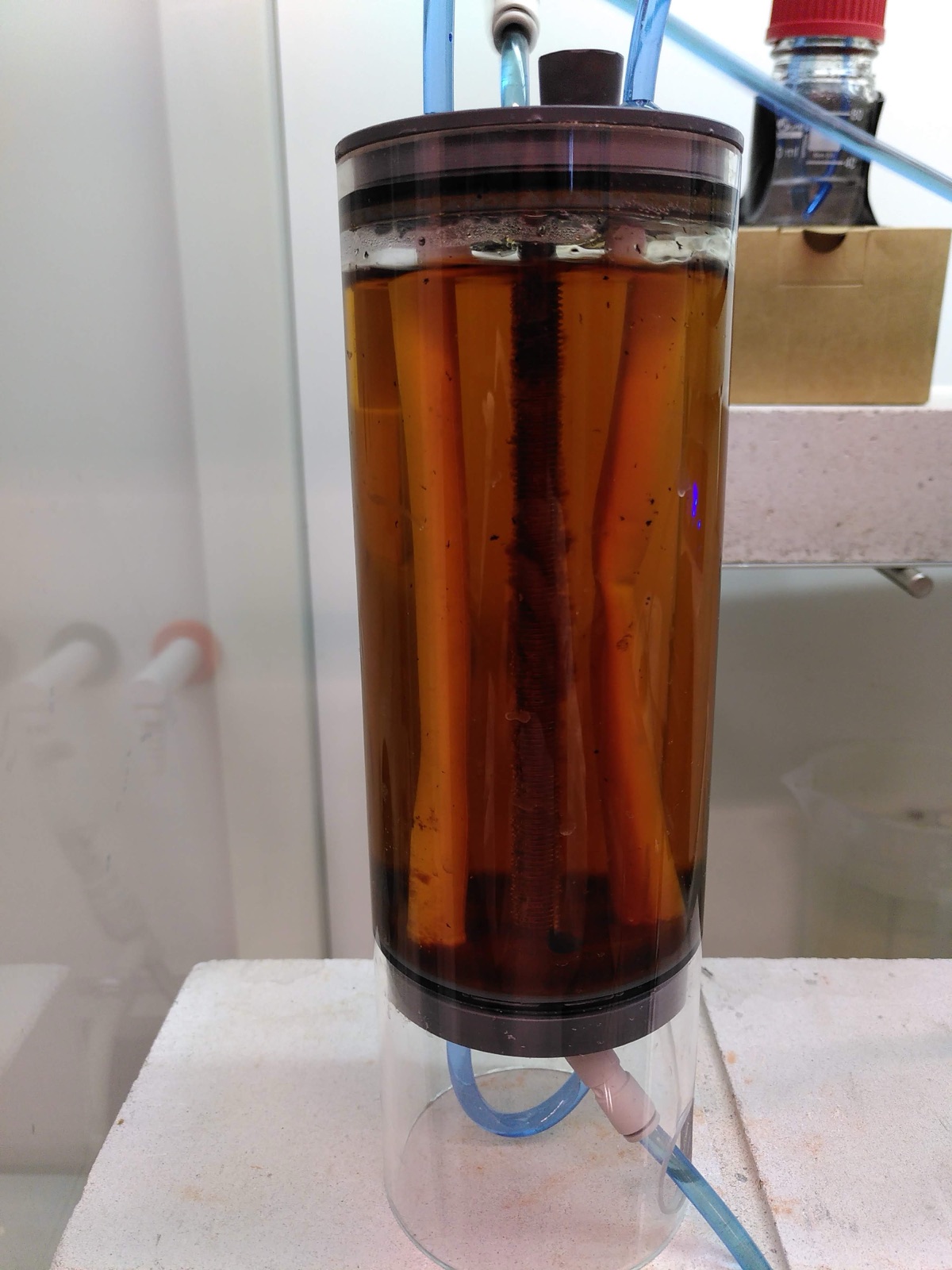
The first funding round, finalized in March 2024, was €2.2 million: €1.3 million in equity led by Nordic Foodtech VC, and a €900,000 grant from the Finnish Ministry of the Environment. Its job was to turn the lab equipment into an industrial machine and prove it was worth paying for. Juho says that goal has been met.
The demonstration unit goes to the client. In 2025 it ran at the Aslan Biomass biogas plant in Ankara, Türkiye. This year, at an industrial site in Bakum, Germany, it ran for about two months on digestate with up to three times the solids it was designed for, and still reached a peak of 90.6% nitrogen recovery. About 30 wastewater and biogas operators came to see it within weeks. Its latest stop is Italy, and the results have gone out in the company's newsletter. The pilots are paid.
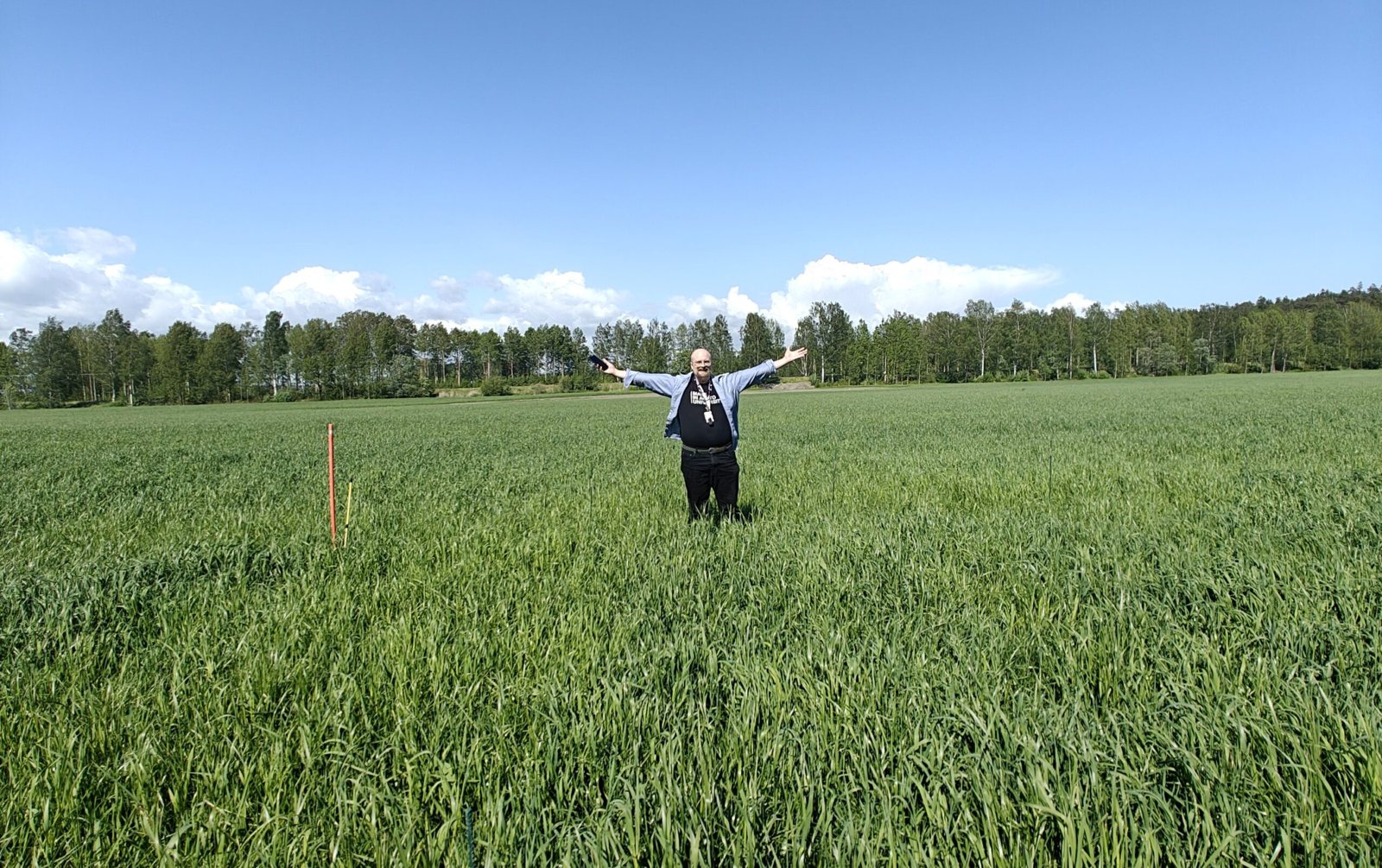
The product works in the field too. In trials with the University of Helsinki's Viikki research farm, NPHarvest's recycled nitrogen and phosphorus performed as well as commercial fertilizers, with 30% to 40% higher yields than plots with no fertilizer.
How it makes money
In Europe, the demand comes from a rule. The EU limits nitrogen from animal sources to 170 kilograms a hectare a year, about 150 pounds an acre. Biogas plants have more of it than nearby fields can take, so they pay to treat it or to haul it long distances. Some cannot even grow, because the nitrogen, not the waste, is what caps how much biogas they can make.
NPHarvest sells this as a service. The plant pays a fee to have the nutrients recovered, and NPHarvest runs and maintains the unit and handles the end product. The plant saves on disposal, or takes in more waste and makes more energy.
Right now the recovered nutrients come out as raw materials, sold as commodities to fertilizer makers. Part of the new round is meant to change that: Juho says the team knows how to make the end product two to three times more valuable, and needs one dedicated person to do it. That matters for markets without Europe's rule, such as the United States, where a customer would buy for the value of the fertilizer, not to avoid a fine. Juho expects that to be in place by the end of 2027.
Others work on the same problem from different angles. Ostara, from Vancouver, recovers nutrients from city wastewater and makes phosphate fertilizer. Anaergia, from Ontario, builds the anaerobic digesters that biogas plants run on. Colsen in the Netherlands and Nijhuis Saur Industries build systems for nitrogen recovery and digestate treatment. And on the fertilizer side, Yara is one of the world's biggest nitrogen makers, while Nitricity and Pivot Bio in the United States are looking for cleaner ways to make nitrogen in the first place. NPHarvest's corner is narrower: recovering nitrogen from the thickest liquid waste, without heat, as a service that costs the plant less than getting rid of it.
What they are looking for
NPHarvest is raising a seed round to build the company. The whole team is three people, and the pipeline is already bigger than three people can deliver: the units need manufacturing, project management and service. There is also a Finnish detail: Juho says people will not leave a steady job for a startup unless it can show a robust financial outlook.
The round already has soft commitments from European venture funds and needs a lead investor to set the valuation and the terms. The round is planned to close shortly and carry the company for two years until a Series A round.
NPHarvest also wants to hear from biogas plants, wastewater plants and farms in Europe with nutrient-rich liquid waste. Reach the team at npharvest.fi.
Why it is bigger than it sounds
The cleanest fertilizer may already be sitting in wastewater. NPHarvest pulls it out at room temperature, cheaper than throwing it away.
This breed of startup turns a disposal bill into a supply. A biogas plant in Europe already pays to treat its nitrogen-heavy liquid or to truck it away, because the law caps what it can spread. NPHarvest charges the plant a service fee that is lower than that bill, runs the unit itself, and handles the recovered nitrogen and phosphorus, which go to fertilizer makers as raw materials. The plant saves money or makes more energy, and the nutrients go back to farms instead of piling up where the law no longer lets them go. Next, NPHarvest wants to make those nutrients worth two to three times more, so the fertilizer itself can carry the sale. Running at room temperature is what makes the numbers work, because the old method burns money on heat.
The formula: when a rule makes someone pay to get rid of something valuable, charge less than the disposal and keep the value. The same play fits lithium and copper in mine water, silver and gold in old electronics, heat in data centre cooling water, used cooking oil turned into fuel, and carbon dioxide from breweries sold back as gas.
The risk in one line: the European business rides on a regulation, and outside Europe the product has to win on its own price. If someone near you pays to throw away something that is worth money, offer to take it for less.
What to watch
The first thing is the first commercial deal, which Juho says is close to signing. A permanent installation, not a demonstration, is what turns a technology into a business.
The second is the lead investor. With soft commitments in place, one fund setting the terms would let NPHarvest start hiring.
The third is the end product. If NPHarvest can make its recovered nitrogen two to three times more valuable, it will not need a European rule to make the sale.