A grower pays for a nursery pot when it comes in. There can be another cost when it comes off. Someone has to remove it, gather it and deal with it afterwards. A vineyard clip may be cheap to buy, but retrieving clips across rows of vines takes time.
Joonas Sirviö's company, Granulous, makes a material from brewery spent grain that manufacturers can mould into pots, clips and other short-life products using existing injection moulding equipment. Independent lab testing found organic carbon and nutrients including nitrogen, phosphorus, potassium and calcium in the company's Booster formulation.
A nursery pot shows how the two ideas come together. If the pot holds up through cultivation and can biodegrade under the conditions where it is planted, the grower could put the pot and plant into the ground together. That would remove a step at planting and put the nutrient-containing material in contact with the soil around the roots.
Every beer leaves something behind. Before the beer is beer, the brewer soaks barley in hot water to pull the sugar out. What is left is a wet mash of husks called spent grain. VTT, Finland's state research centre, says the world's breweries make more than 40 million tonnes of it every year. Much of it goes to animal feed or biogas.
What they built
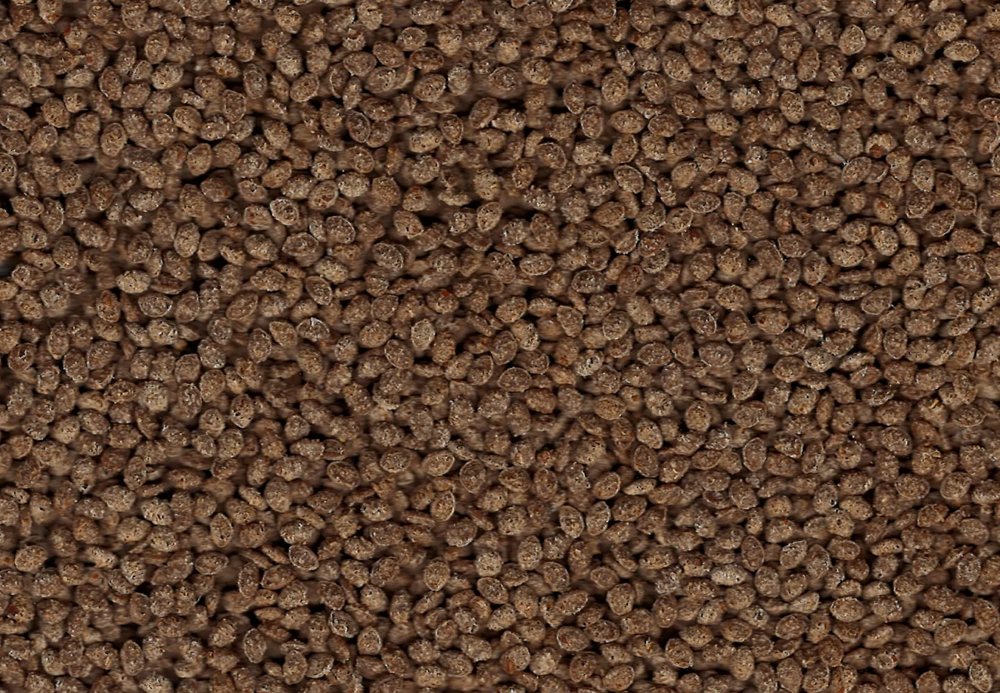
Granulous, a company from Finland, makes a biocomposite that combines fibres from brewer's spent grain with a polymer matrix. It comes as small brown granules, and factories melt and shape them into products the same way they shape ordinary plastic.
In early development, some mechanical test results were close to those of the polypropylene reference used in the trials. The material runs on existing injection moulding equipment, with settings and tooling suitability assessed for each product. "It's a plug-and-play solution," Joonas says of using existing machinery.
Granulous designs selected grades for applications where the finished product may remain in soil after use. Controlled composting tests have measured biodegradation. Breakdown in soil depends on the finished product and the conditions where it is used.
Granulous sells three formulations. Booster is designed for applications such as nursery pots. Independent lab testing measured organic carbon, nitrogen, phosphorus, potassium and calcium in the material. How much of those nutrients becomes available to plants, and when, is a question for growing trials. Soil includes a mineral additive and is intended for selected soil-contact applications, including vineyard and forestry products. Original is the general-purpose grade.

It started with a toothbrush
Granulous began in 2020 with a much smaller idea: a toothbrush. At the time, Joonas says, the only choices were plastic toothbrushes and bamboo ones. The founding team knew brewing from the inside, and they saw an opportunity to make more of one of its by-products. So why not make the toothbrush from one of them?
Joonas had no background in plastics. He came from restaurants, sales, construction business and investment. "I don't know anything about plastics or material whatsoever," he says. So the team took the idea to VTT and asked for help. VTT's own case study says its scientists first measured commercial toothbrushes to set the target, then built a recipe and tested it on injection moulding machines at VTT, and later at industrial scale.
That was the first aha moment. After the early trials, some of the new material's mechanical test results came close to those of the polypropylene used as a reference. "It wouldn't make sense to continue if there were no points from the mechanical point of view," Joonas says. A material has to do its job first. Joonas says VTT has worked like a member of the team ever since.
The toothbrush did not survive. Oral care is a huge market, but the certification requirements made it a difficult market for the company to enter. "It was a no-go for us," Joonas says. Around 2024, Granulous looked for the place where its material helps the most.
Not sexy, and that is the point
The answer was the farm. Horticulture, which grows plants, flowers and seedlings. Viticulture, which grows grapes for wine. And maybe forestry. All three use plastic items, such as pots, clips and tree guards, that someone may need to handle or retrieve after use. With nursery pots, whoever does the planting could save time removing and gathering them. In vineyards, the case is most direct where crews already collect clips at the end of the season.
Joonas likes the choice because he sees room for a new supplier. "It's not sexy to grow things," he says, "but there's not that much competition." He sees a particularly crowded market for alternative materials in packaging.
For years the hard part was the price. Fossil plastic is a mass product, and it is cheap. "We were here and fossil-based were there," Joonas says. Granulous has narrowed the gap. At mass scale it targets about €2 a kilo for annual orders of 250 tonnes or more, against about €1.50 for virgin polypropylene, depending on quality, and Joonas says that price is already possible for bigger orders. For growers, the calculation also includes what it costs to remove and dispose of a pot or collect a clip after use. Where that step can be reduced or eliminated, potential labour savings can help offset the higher material cost.
The first customers are testing it. Granulous has completed an injection moulding trial with a plastics manufacturer in southern Spain, producing a 12-centimetre nursery pot. The company is discussing a tent-peg application with a Swiss manufacturer and exploring vineyard products in Piemonte, in northern Italy, including clips that hold vineyard wires in place. Granulous is targeting about 300 tonnes in 2027.
A company with no factory
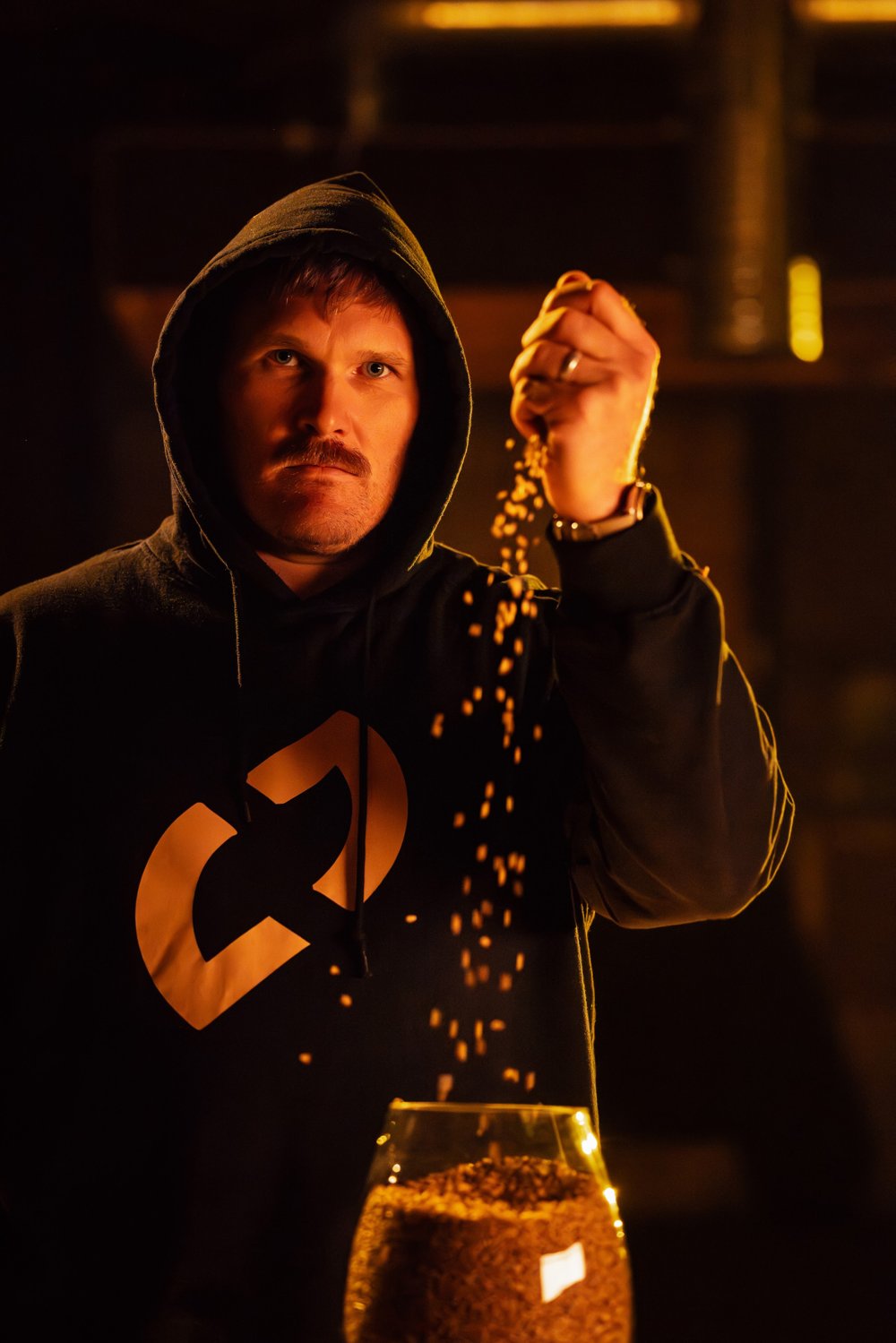
Joonas leads Granulous as a solo founder, working with research and industrial partners. The company is based in Vuokatti, Finland, and Joonas spends part of the year in southern Spain. "Not wintertime in Finland anymore," he says.
Granulous owns no factory. Duynie is its spent-grain supply partner, and The Compound Company, also in the Netherlands, is its compounding partner, turning Granulous formulations into granules ready for manufacturing. Granulous designs the recipes and finds the uses. "We don't put millions of euros into our own manufacturing facilities," Joonas says. "We're super CapEx efficient."
So what stops the factory from copying the recipe? Granulous protects its formulations as trade secrets and works with its manufacturing partner under confidentiality agreements. Joonas calls it the Coca-Cola approach.
Granulous closed a pre-seed round in 2025, and Joonas remains its largest shareholder.
Where it sits
Plenty of companies want plastic out of the garden and the field. In New Zealand, Compostify makes home-compostable bioplastic for applications including plant pots, pins and clips. Bioplasmar turns green organic waste into biodegradable granules for injection moulding and extrusion. Green Dot Bioplastics, in the United States, blends starch with other bioplastics into its compostable Terratek materials.
CowPots makes plantable pots on a family farm in Connecticut from composted cow manure, and Ellepot sells growers a propagation system built on paper pots. In the UK, Biome Bioplastics has developed biodegradable tree shelters, and Tubex sells both recyclable and biodegradable ones.
Away from the farm, Sulapac, also from Finland, makes bio-based, biodegradable materials for cosmetic, luxury and consumer brands, and Tecnaro in Germany makes technical bioplastics sold as granules. Spent grain has uses in food, too. Upcycled Foods, in the US, turns it into ReGrained SuperGrain+, an ingredient for foods such as bread.
Granulous has focused on two hurdles that matter to manufacturers considering a switch from fossil-based plastics: price at volume and the ability to supply at industrial scale. The company has brought its target pricing for larger orders closer to that of conventional plastics and secured access to industrial production capacity through its manufacturing partners. Manufacturers can also trial the material on existing injection moulding equipment.
What sets Granulous apart is how it pairs those manufacturing considerations with a practical benefit for growers. A plantable pot made with its Booster formulation could save the work of removing and collecting the pot at planting. It also puts a material containing lab-measured nutrients in contact with the soil around the roots. The commercial case depends on the cost of the finished pot and the time it saves in practice.

What they are looking for
Granulous is preparing a €1.5 million seed round targeted for H2 2027. The priorities are to expand sales, turn customer trials into paid orders and repeat business, validate product performance and end-of-life behaviour, and establish reliable industrial supply. In parallel, Granulous is working with VTT toward a technical milestone for its own spent-grain-derived polymer. Europe remains the main commercial focus.
Granulous wants to hear from North American readers in four groups.
- Investors interested in the 2027 round.
- Growers, nurseries, vineyards and forestry companies with a product where collecting plastic after use creates recurring work.
- Plastics manufacturers interested in trialling the material on their injection moulding equipment.
- Breweries, large or small, in Canada and the US that are interested in supplying spent grain for regional production. Joonas named Vancouver as one possible location for exploring a local partnership.
Reach Joonas at joonas@granulous.com.
Why it is bigger than it sounds
This breed of startup is very smart: it takes a by-product that someone else has to move out of the door, and turns it into a product that could save the buyer a job.
Follow the money. If a plantable pot costs more per unit, the buyer can compare that difference with the time it takes to remove and collect a conventional pot during planting. A vineyard can do the same calculation for clips that crews would otherwise have to retrieve. So Granulous does not have to beat plastic on price. It has to cost less than plastic plus the labour that plastic brings with it. Its economics depend on sourcing and processing spent grain at scale, and the company spends its money on formulation development and sales while its industrial partners provide the manufacturing equipment.
The formula: find a by-product made in huge amounts in one place, turn it into a material meant to stay where it is used, and sell it where taking plastic back out costs labour. The same play fits the grape skins and seeds left by winemakers in France, Italy and Spain, the olive pits from oil mills in Spain and Greece, the coffee grounds from roasters and cafe chains, the cocoa shells from chocolate makers in Belgium and Switzerland, the distillers' grain from whisky in Scotland and bourbon in Kentucky, the sugarcane fibre from mills in Brazil and India, and the rice husks from mills in Japan and Korea. It fits more products too: mulch film on vegetable fields, the stakes and ties in orchards, the seedling trays in forestry and the tees on golf courses. Whoever builds the local version first gets close to the waste stream and the buyers at the same time.
This is our opinion, not a claim Joonas makes.
The risk in one line: the material can still cost more per kilo than the plastic it replaces, and a founder-led team and its manufacturing partners have to turn early trials into consistent production, reliable deliveries and repeat orders.
What to watch
The first thing is a customer trial under normal working conditions. How much time does planting or collection take? For a Booster pot, how much of the nutrient content becomes available to plants over time? A repeat order would show whether the finished product makes commercial sense for the customer and help Granulous move towards its 300-tonne target for 2027.
The second is the funding round planned for H2 2027 and how it helps Joonas expand sales and support more customer trials.
The third is local production. A supply and manufacturing partnership in North America, in Vancouver or elsewhere, would test whether the approach Granulous is developing in the Netherlands can work with spent grain from a brewery closer to its customers.