Run one speed test on a 5G phone and, by Aydin Karaer's count, it can eat a whole gigabyte of data. That is how most of the world still checks its mobile networks: someone presses a button, the phone downloads as fast as it can, and a number comes out. But there is a bigger problem. People rarely run a speed test when everything works. They usually run one when something goes wrong, so the results lean towards bad experiences.
And the bias does not stop there. Some operators set up high-performance speed test servers and give speed test traffic priority, so the numbers look better than what customers get in everyday use. The result is impressive scores, awards and rankings that may say more about how a network performs under test conditions than how well it serves real users.
Nobody can realistically measure network experience this way all day. It drains batteries, uses up data, adds needless traffic to the network and burns through people's data plans. Above all, it only captures snapshots, not the full picture of everyday network experience.
Netradar, a company from Finland, measures the same network all day long with less than 10 megabytes a month. It does not run the test at all. It watches the traffic your phone is already making.
What they built
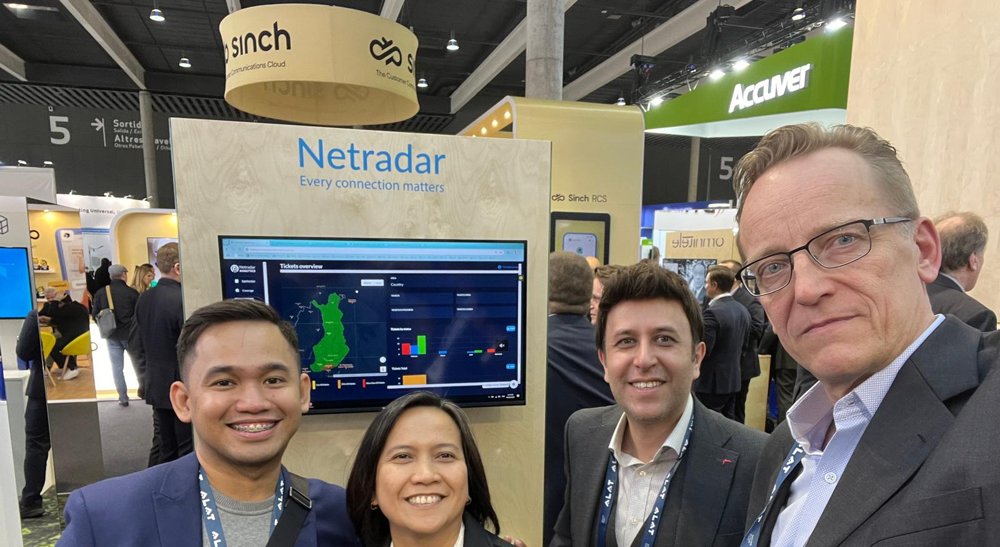
Netradar, based in Espoo, Finland, sells mobile operators a way to see their network the way their customers see it. "Instead of running active speed tests, we monitor the user experience at the device level," Aydin, its VP of Sales and Marketing, told us.
Here is how it works. When you watch YouTube, download a file or send a photo, your phone moves data back and forth with the nearest cell tower. Netradar measures the latency, the small delay on each trip, while that real traffic is flowing. From those delays it can tell how well the network is doing at that moment and in that place. Its website calls this a hybrid method: it listens to real traffic and adds only tiny probes of its own, so it never needs a full speed test. Aydin says the method is patented.
The result is a lot more data for a lot less cost. Aydin says Netradar collects about 1,000 times more data from one phone in one day than active tests do, using less than 10 megabytes a month. The company's website puts it lower still, at 3 to 5 megabytes per phone per month, and says data from just 3% of an operator's customers is enough to work with.
Netradar's main route to the phone is not an app of its own. Its code, a small piece of software called an SDK, goes inside the operator's own app, the one customers already use to pay bills and check their data. The data flows into a private system that sits in the operator's own data centre or private cloud, not in Netradar's. On top of that sits AI that finds the cause of a problem. When a customer has a bad connection, it tells the engineer whether it is "a device issue, a capacity issue, or missing coverage," as Aydin puts it. The newest version has an AI assistant inside the dashboard, so an engineer can ask in plain language where performance drops and where new spending would help customers most.
A professor's question
Netradar started as research, not as a company. In 2012 and 2013 a professor in the networking department of Aalto University, which Aydin calls the best technical university in Finland, began asking a simple question: how do you measure the quality of a mobile network? That professor is Jukka Manner, today Netradar's CTO and co-founder, and he is still a professor at Aalto.
The answer in 2012 was the speed test. Aydin names Ookla's Speedtest as the best known. The research team soon saw the flaw. You cannot run tests all the time, and if you only run a few, you do not have enough data to make real decisions about a network. So they built a way to measure without testing. The company itself was founded in 2018, with Tomi Paatsila as CEO and co-founder. "We became 8 years old," Aydin says, which makes Netradar old by the standards of most startups we meet.
Today it works with what Aydin calls Tier 1 operators, the biggest mobile networks in each country. He named two we can print: T-Mobile in the United States and NTT Docomo in Japan. A third is an operator in Canada that he cannot name. On its website, Netradar says it set up dozens of latency measuring points across the whole T-Mobile US network, and within three months found more than five issues and insights. Its other public customers include Erillisverkot, which provides secure communication services for Finland's public authorities and national security, and Digita, a Finnish infrastructure company that used Netradar data to find areas with weak coverage and offer operators new towers there. The website also lists an unnamed telecom regulator in Europe, the Middle East or Africa that uses a Netradar app to check whether operators deliver what they promise.
Sold by someone from the other side
Aydin knows the rivals from the inside. Before joining Netradar about three years ago, he ran Ookla's business in the Middle East and Africa for about three years. Then he worked at Umlaut, which is now part of Accenture. Ookla is now part of Accenture too. Aydin says Accenture bought it this year for $1.2 billion, at a time when Ookla made over $200 million a year. He also says Opensignal bought Tutela, another big player in the field. The market is being bought up by large firms.
That is why Netradar changed its pitch. "Initially we thought we'd compete directly," Aydin says, "but now we're complementing what others offer." It does not ask an operator to throw out the tools it already pays for. It sits on top of them and adds what they lack: data around the clock, from real customers, that belongs to the operator alone.
The hard part is not the technology. It is getting inside the app. An operator's app team has to be convinced the code will not slow the app down or annoy customers. Its legal team has to be convinced the data is handled under Europe's GDPR privacy rules and local law. Each new customer means winning both.
We asked Aydin how a company from a small country wins giants in the US and Japan. He gave three reasons. First, the technology itself. Second, the research behind it, from a professor and his university team. Third, speed. "We are open-minded and nimble where the incumbents will not do customization," he says. Netradar will change its product to fit one customer. The big players will not.
Aydin works from Turkey. He is Finnish and Turkish, and visits Finland from time to time. His meetings run from the United States to Australia. In some regions, Asia in particular, Netradar works with strong local partners who open doors and give technical support in the local language. And the team answers calls late in the evening and early in the morning. "We all went the extra mile," he says.
Where it sits
Measuring mobile networks is a crowded field, but most of it runs on tests or on one shared pool of data. Ookla, now an Accenture company, sells network and connectivity insights built on its Speedtest app. Opensignal calls itself a provider of independent insights into network experience and market performance. WePlan Analytics in Madrid sells AI crowdsourced analytics to operators, telecom authorities and tower companies. MedUX helps operators, regulators and enterprises test, benchmark and monitor the quality of experience on mobile, fixed and Wi-Fi networks, using probes, crowdsourcing, apps and analytics. nPerf runs a speed test and publishes coverage maps and yearly barometers. RantCell turns any smartphone into a drive testing tool and can also sit inside an operator's app. CoverageMap builds crowdsourced maps comparing every carrier's coverage. Closest to home, Kaitotek in Oulu, Finland, makes Qosium, which measures network quality for real applications, mostly for industry and research.
The test makers measure what a network can do at one moment, when someone presses a button or a scheduled active test runs. The crowdsourcing firms sell the same data and the same rankings to every operator in a market, rivals included. What none of them does is measure the traffic people already make, all day and all night, across operators, and leave every byte of that data inside the operator's own walls.
What they are looking for
Netradar wants customers first. "Let's call it more on the business finding rather than funding," Aydin says. It is a small company that has been growing for the past three to four years, and it is not yet at the IPO stage. From North American readers, it wants introductions to:
- Mobile network operators, the companies that own the towers and the radio licences.
- MVNOs, mobile virtual network operators: phone brands that rent their network from someone else and need their own view of what their customers get.
- Telecom regulators that want an independent check on whether operators keep their promises.
- Critical communications providers, the networks that police, fire, rescue and other public safety services rely on.
- Investors, second. Funding is handled by the CEO, Tomi Paatsila, but Netradar is open to meeting venture investors, especially well connected ones who can also open doors at operators.
The company offers pilot projects so an operator can try it on its own network first. Reach Aydin at aydin.karaer@netradar.com or the sales team at sales@netradar.com.
Why it is bigger than it sounds
This breed of startup is very smart: it builds no new sensor at all. It turns the phones customers already carry, and the traffic they already make, into the measuring tool, and it hands the result to the one company that pays for the network.
Follow the money. Aydin says operators spend about $200 billion a year building and upgrading their networks. Every one of those dollars is a bet on where customers will notice a better signal. Today much of the outside judgement on those bets comes from firms that run tests and sell the same data and the same "best network" rankings to everyone in a market. That model is worth a lot: Ookla reached over $200 million a year and sold for $1.2 billion, by Aydin's numbers. Netradar sells the opposite. It is a private system for each operator: it can also see how rival networks perform for the same users, and no rival can buy that data, collected at almost no cost per phone. If it moves even a tiny share of that $200 billion to the right towers, it pays for itself many times over. And because more phones mean more data but almost no more cost, every new customer of the operator makes the system better.
The formula: find something that is measured with costly, now-and-then tests, measure it instead from activity that already happens all day, and let the owner keep the data. The same play fits water networks, read from the meters already in every home. It fits power grids, read from the chargers and smart meters already plugged in. It fits roads, read from the phones in drivers' pockets. It fits the Wi-Fi in airports, stadiums, hotels and hospitals, the private 5G networks in factories and ports, the new satellite links straight to phones, home broadband, and the streaming and cloud gaming services that live or die on delay. It fits countries too: regulators in big, fast growing mobile markets such as India, Indonesia, Nigeria, Brazil and Mexico cannot drive test a whole nation, but they can measure it from the phones already there. Whoever builds the quiet version of the test first owns the data everyone else has to pay for.
The risk in one line: every sale needs an operator's app team and its lawyers to let an outside company's code into the operator's own app, and that is slow. If you run a mobile network, an MVNO, a public safety network or a telecom regulator, and you want to see your network the way your customers see it, this is a team to call.
What to watch
The first thing is North America. T-Mobile is a public customer and a Canadian operator is a quiet one. A second US or Canadian name, or the right to name the Canadian one, would tell other operators the model works here.
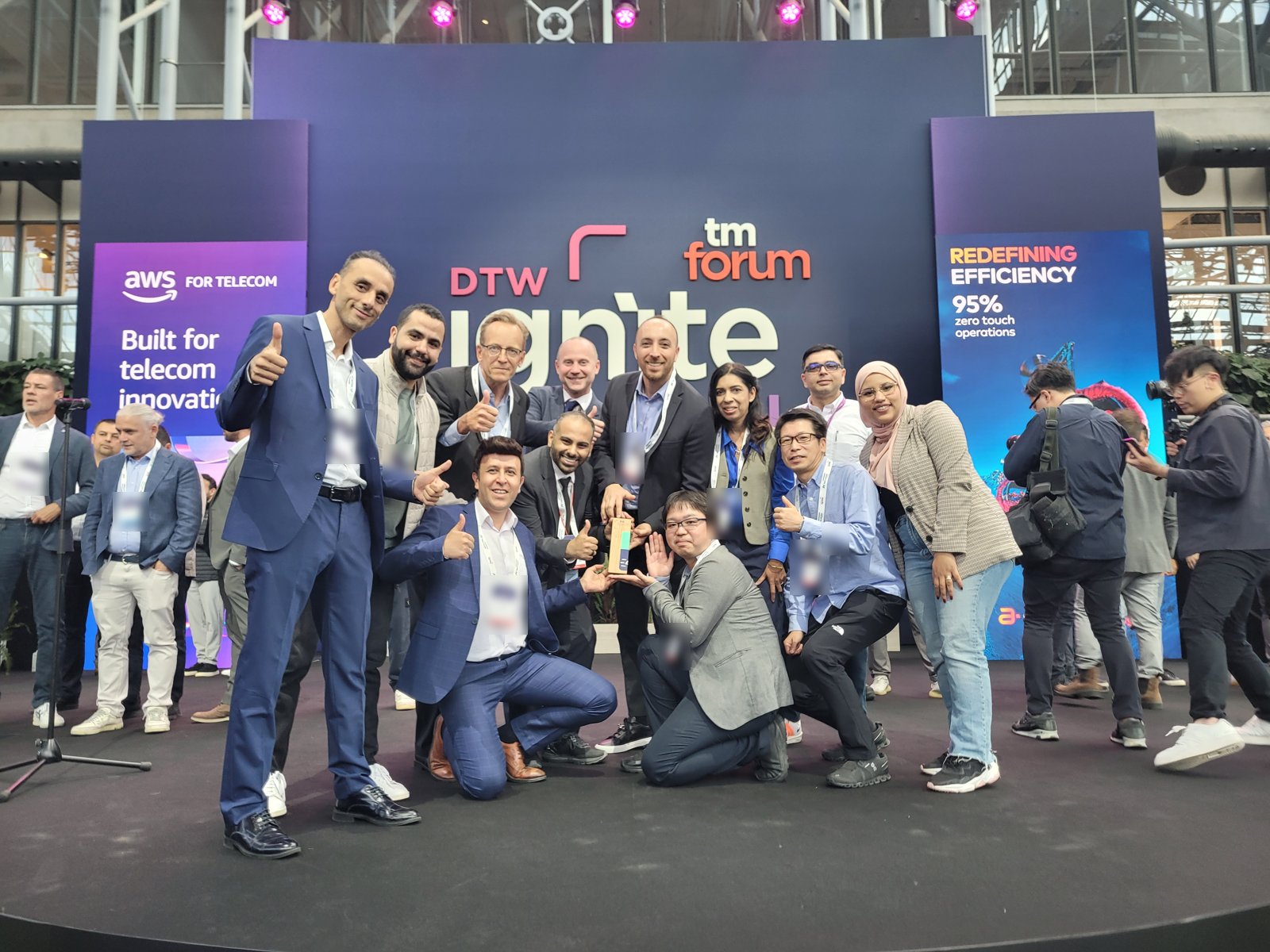
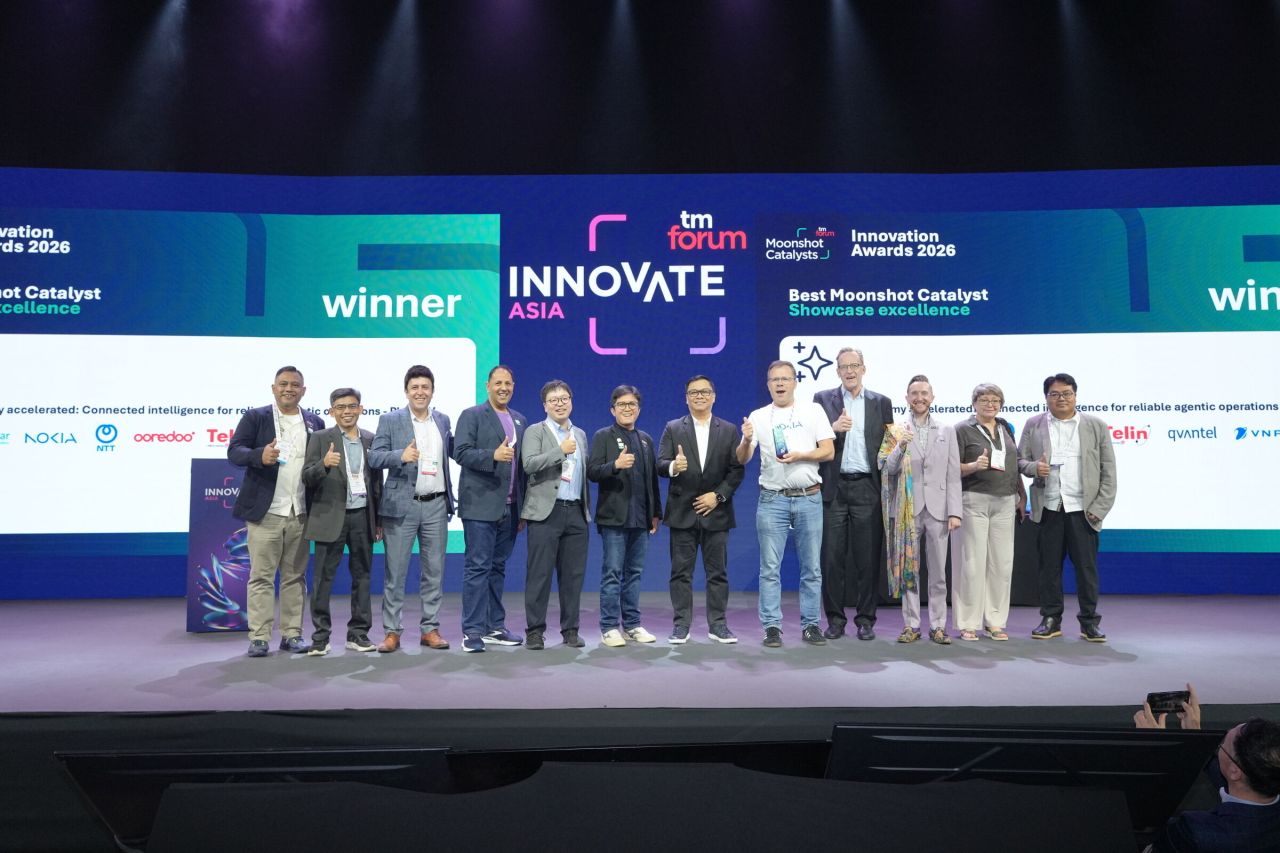
The second is Asia. At TM Forum Innovate Asia in Bangkok, held November 17 to 19, the Catalyst project Netradar is part of with Nokia, NTT Group and other partners, "Autonomy accelerated: Connected intelligence for reliable agentic operations, Phase IV", won the Moonshot Catalyst award for showcase excellence. Netradar already leans on local partners in the region, and new operators there would show the partner model can scale.
The third is who buys whom. Accenture now owns both Ookla and Umlaut. Big firms are collecting network measurement companies, and a nimble one with patents, Tier 1 customers and data that stays with the operator is exactly what a buyer looks for. This is our opinion, not something Netradar told us.