Someone in Nairobi can hold a Bitcoin worth thousands of dollars and still be unable to top up their phone with it. The shop down the road wants Kenyan shillings.
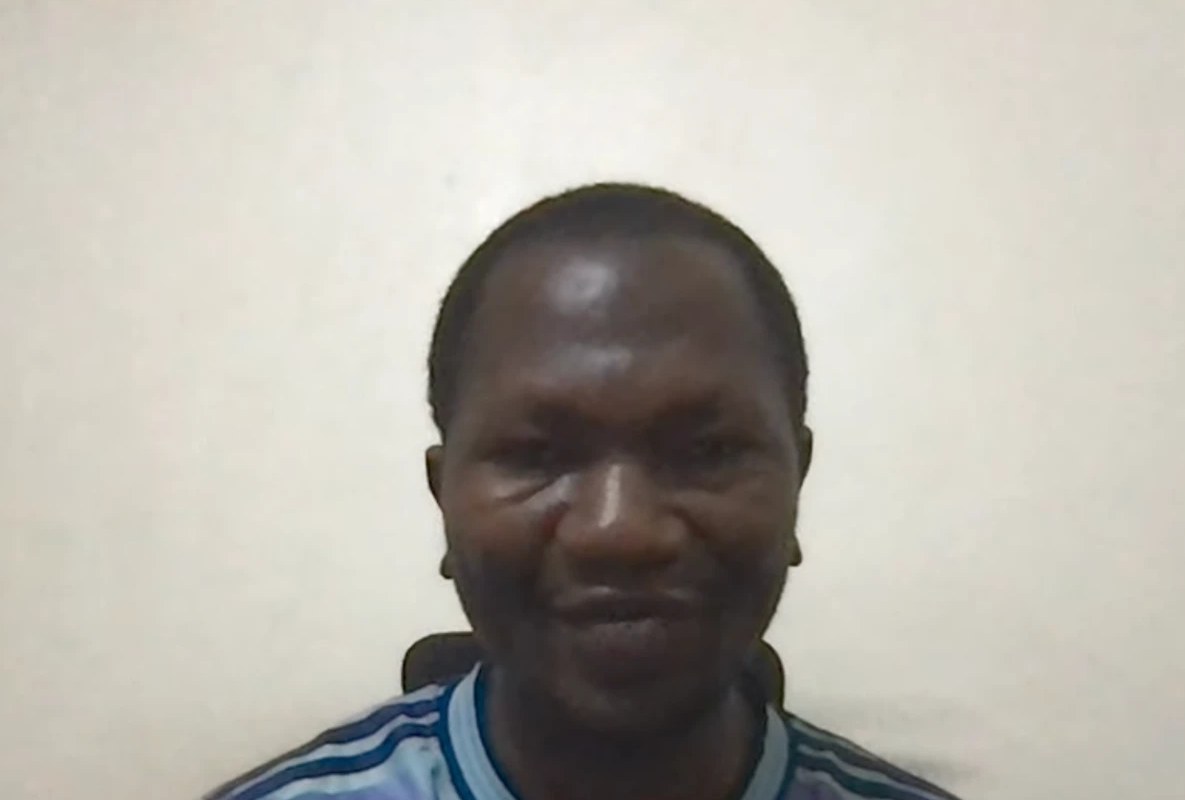
Onyono Chrispus, a software developer in Nairobi, is building the shortcut. He is doing it alone, and paying for it himself.
What they built
Twirry Technologies is Chrispus's company, and Tpay is its flagship app. Chrispus wants to help people turn their crypto into money they can spend. His picture of the goal is simple: "somebody with maybe one Bitcoin can actually go to a local shop and buy things."
Twirry's website describes Tpay as a payments app built for Kenya and beyond, with security as a top priority. In one place, a user can:
- pay with cryptocurrency,
- buy airtime instantly,
- pay utility bills,
- keep a wallet, hold more than one currency, and track every payment as it happens.
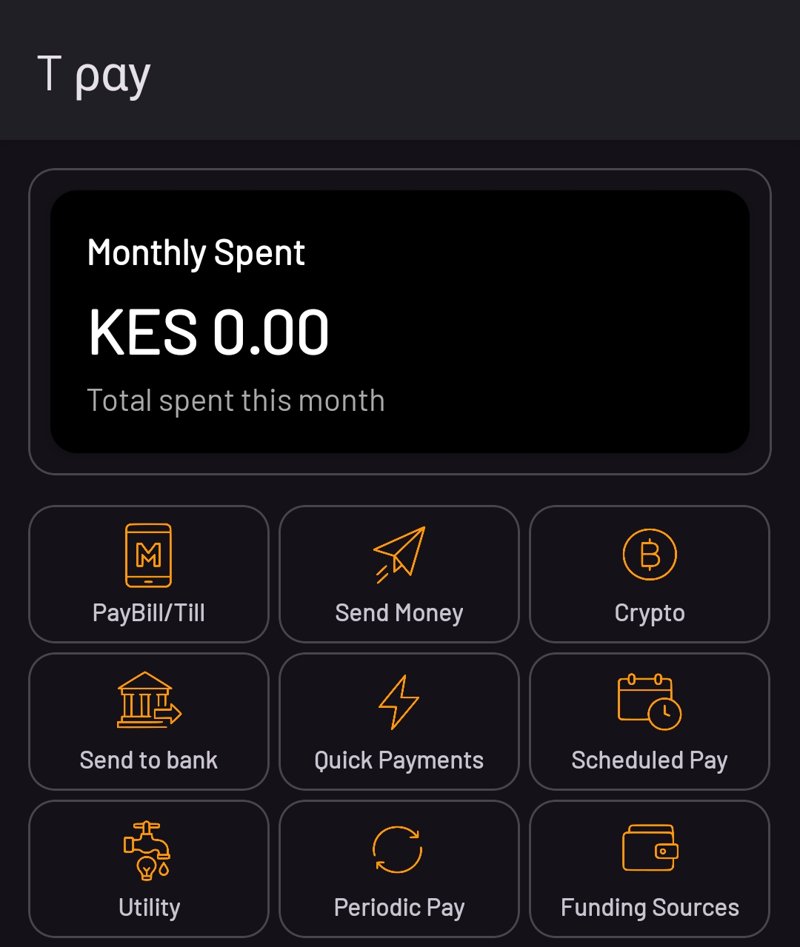
The website already offers the Android app as a download. Chrispus is clear that the full launch to users has to wait for one thing: a licence.
The bug that can print money
Chrispus started Tpay several years ago, before AI coding tools were around, and wrote it himself. He first ran it as a test app that only he and a few people he asked to try it could use. He found many bugs, and one kind taught him the most.
It is called a race condition. Two payments leave the same account at the same moment, and a careless app counts the balance wrong. "You can destroy currency, and you can create currency in your application," he explained. In a payments app, that means money appearing from nowhere or disappearing for good.
So he slowed down. He studied how financial systems are kept secure and how their databases must be protected. "You just don't roll an application," he says. Push out a careless one and "tomorrow it will get hacked." In finance, he adds, "you have to be very, very smart, understand the logic in what you're doing."
He is a chess player, and says he likes to challenge himself. That habit shows in how he describes the work: find the problem, then keep at it until it is solved.
Learned from the inside
Chrispus studied at Jomo Kenyatta University and worked at SasaPay, a Kenyan payments company, in its founding years. He calls it a big financial app competing with Safaricom, the leader in Kenya. That is where he learned the basics of how payment apps work. Some of it, he admits, he had to struggle to understand.

Since then he has worked as a freelancer, and that is how Tpay gets paid for. Twirry also builds custom software, websites, mobile apps, system integrations and fintech tools for clients. "I work for my clients, I get paid," he says, and the money goes into his own ideas.
The licence wall
Payments in Kenya are regulated, and an app that moves people's money needs a licence before it can go to the public. Chrispus says the licence costs about 50 million Kenyan shillings, roughly US$385,000, paid as a lump sum, and that this is where good ideas die. "Sometimes your dream might be killed because you don't have enough money to actually get the license," he says.
His answer was to build first. Make the product work, then raise the money for the licence. He also looked at the crypto side, and found rules there as well. He wants Tpay to follow them, because, in his words, many crypto apps "can scam you," and many people do not know the crypto world well.
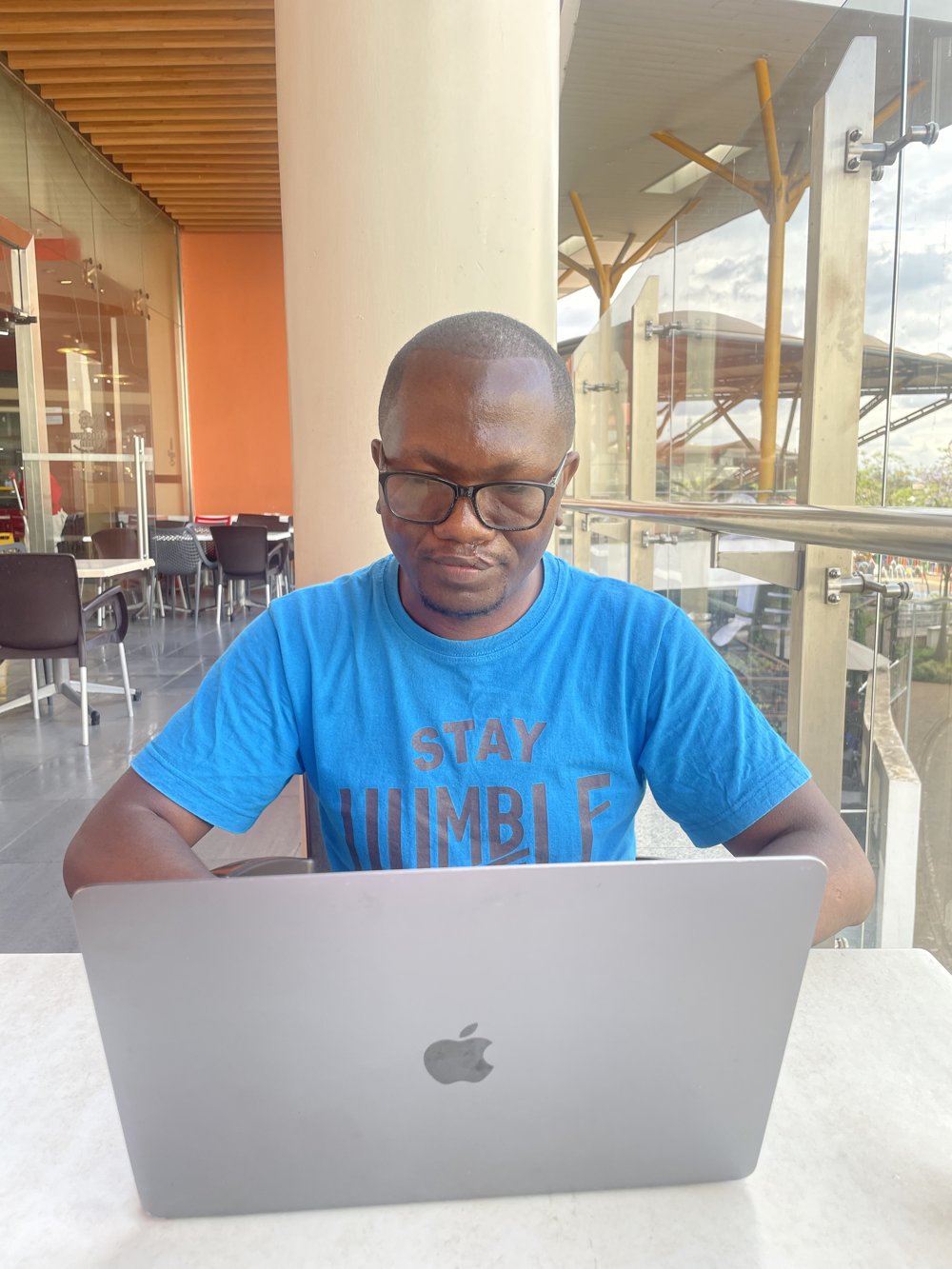
He has not chased investors so far, and that is a choice. Investors take a share of the company, so he wants to get as far as he can on his own money first. Later, he says, investors can come in and help turn the app into a big company. In Nairobi he works from shared tech spaces, where a developer can bring a laptop, get on the Wi-Fi and code next to other developers. Friends there, he says, can help connect you with investors.
Where it sits
Tpay is entering a busy road. In Kenya, M-Pesa from Safaricom is the leader, and SasaPay competes with it. Kotani Pay moves people between crypto and local money across Africa, and even offers a wallet that works by text message. Pretium lets people pay with stablecoins, crypto coins pegged to the dollar, and pays out to M-Pesa, paybills and till numbers in Kenya. Machankura lets people use Bitcoin on any phone, even without internet, in Kenya and nine other African countries. MiniPay is a dollar stablecoin wallet with mobile money and airtime top-ups. Fonbnk and Yellow Card sell the stablecoin plumbing to businesses, and Pesapal in Kenya and Flutterwave help businesses take payments.
Most of those companies either sell the pipes to other businesses or do one job well. Tpay is far smaller than all of them, and that is its point: one developer who learned payments from the inside, building a consumer app for Kenya first, with the crypto balance and the household errands on the same screen.
What they are looking for
Twirry is at the very start. Tpay is built and has been through testing, and its full launch waits for the licence. Chrispus wants:
- Funding for the licence, the one thing between Tpay and its first real users.
- Investors for later, who can help grow Tpay into a big company once he has taken it as far as he can alone.
- Clients who need software built. Twirry takes on custom software, web and mobile projects, and that work pays for Tpay.
Reach Chrispus at info@twirry.com.
Why it is bigger than it sounds
This breed of startup does not try to make people buy crypto. It lets people who already hold it spend it on the smallest things they buy most often.
A crypto exchange earns when people trade, and most people trade rarely. Airtime and bills are different. People buy them every week and every month, for as long as they own a phone and pay for power and water. Each of those purchases is a small conversion from crypto into shillings, and the app in the middle can earn a small fee every time. That is a thin cut on a very frequent habit, and frequent habits add up. The licence that is blocking Chrispus today is also what keeps copycats out once he has it.
The formula: wherever people hold value in a form the corner shop will not take, build the shortest road from that value to the thing they buy most often. The same play fits freelancers paid in stablecoins who need rent money, gamers sitting on in-game credit, unused gift cards and loyalty points, airline miles, and money sent home from abroad that arrives in a wallet the local shop does not accept. It fits Uganda, Tanzania, Nigeria, Ghana, the Philippines, Argentina and Turkey as well as Kenya.
The risk in one line: the licence costs a lump sum Chrispus does not have yet, and bigger, licensed players already sell the same road. If you invest in African fintech and want a technical founder who has done the hard engineering on his own money, this is a founder to call.
What to watch
The first thing is the licence. Getting it turns Tpay from a test app into a business.
The second is the first real users. Airtime and bills are bought often, so a few weeks of live use will show quickly whether people come back.
The third is who pays for the next step: Chrispus's own client work, or an investor who decides a solo founder with a working app is worth backing.